Description
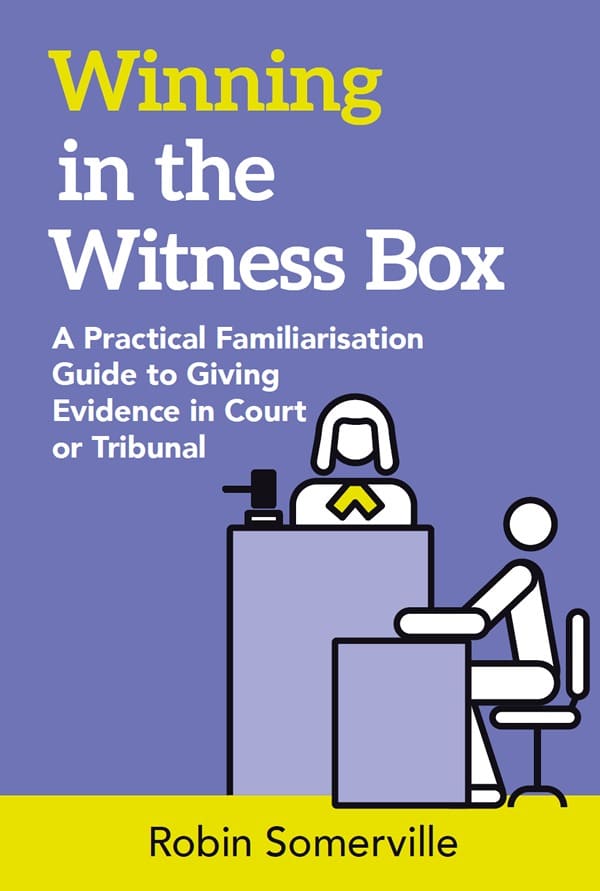
The guide explains the process of giving evidence from preparation through to questioning in court or tribunal.
Understanding the Role of a Witness
The responsibilities of witnesses and the limits of personal knowledge.
Preparing to Give Evidence
Reviewing documents, witness statements and understanding the hearing process.
Witness Familiarisation
What it is, what it is not, and the ethical boundaries involved.
Mental and Practical Preparation
Managing stress, concentration and courtroom expectations.
Giving Evidence in the Witness Box
How questioning works and how to answer clearly and accurately.
Examination-in-Chief
Understanding how your own side presents your evidence.
Cross-Examination
How opposing advocates test credibility and evidence.
Cross-Examination Techniques
Common questioning strategies used by lawyers.
Judicial Questions and Tribunal Processes
How judges or tribunal members may question witnesses.
Why Witness Familiarisation Matters
Witnesses are often expected to give evidence in environments that are structured, formal and unfamiliar.
Lawyers and judges spend years training in these processes.
Witnesses usually receive little or no preparation or explanation.
Understanding how hearings operate can help witnesses:
- communicate their evidence clearly
- avoid confusion during questioning
- remain calm under pressure
- focus on accuracy rather than performance